What is agentic feed management?
Agentic feed management is product feed management where an AI agent does the work across the whole feed, from import to rules to exports to tests. A person stays in the loop where it matters, and the agent learns from how products actually perform.
Last verified 21 November 2026. A seven minute read.
What it means
Kids' products tagged as adult are one of the commonest faults we find in a feed, and every one of them misses every search with "kids" in it. In most feed tools somebody has to notice that, work out why, write the rule and hope it doesn't catch anything else.
Your product feed is the file of your products you send to Google, Meta or an AI assistant, and managing it means keeping that file complete, correct and accepted everywhere you sell. In agentic feed management an AI agent does that work. It reads every product, finds the problem, drafts the fix from the product's own data and counts what it would change. You decide how much of that it may ship on its own.
Why a feed needs an agent now
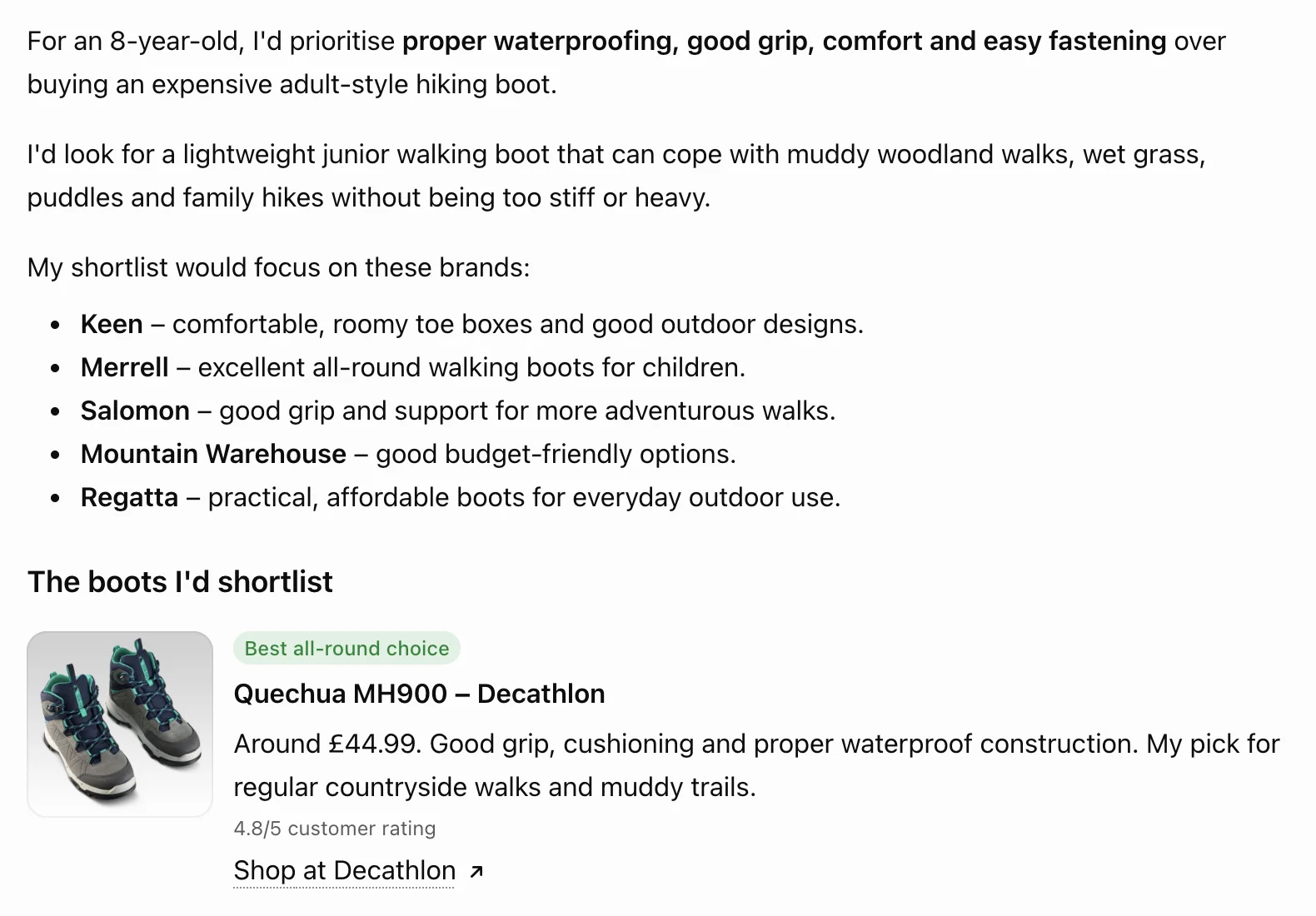
Google's guide to optimising for its generative AI features says Merchant Center can help your products show in its AI responses as well as in ordinary Search results1. OpenAI publishes its own product feed spec for ChatGPT2. An assistant can't recommend a waterproof jacket your feed never called waterproof.
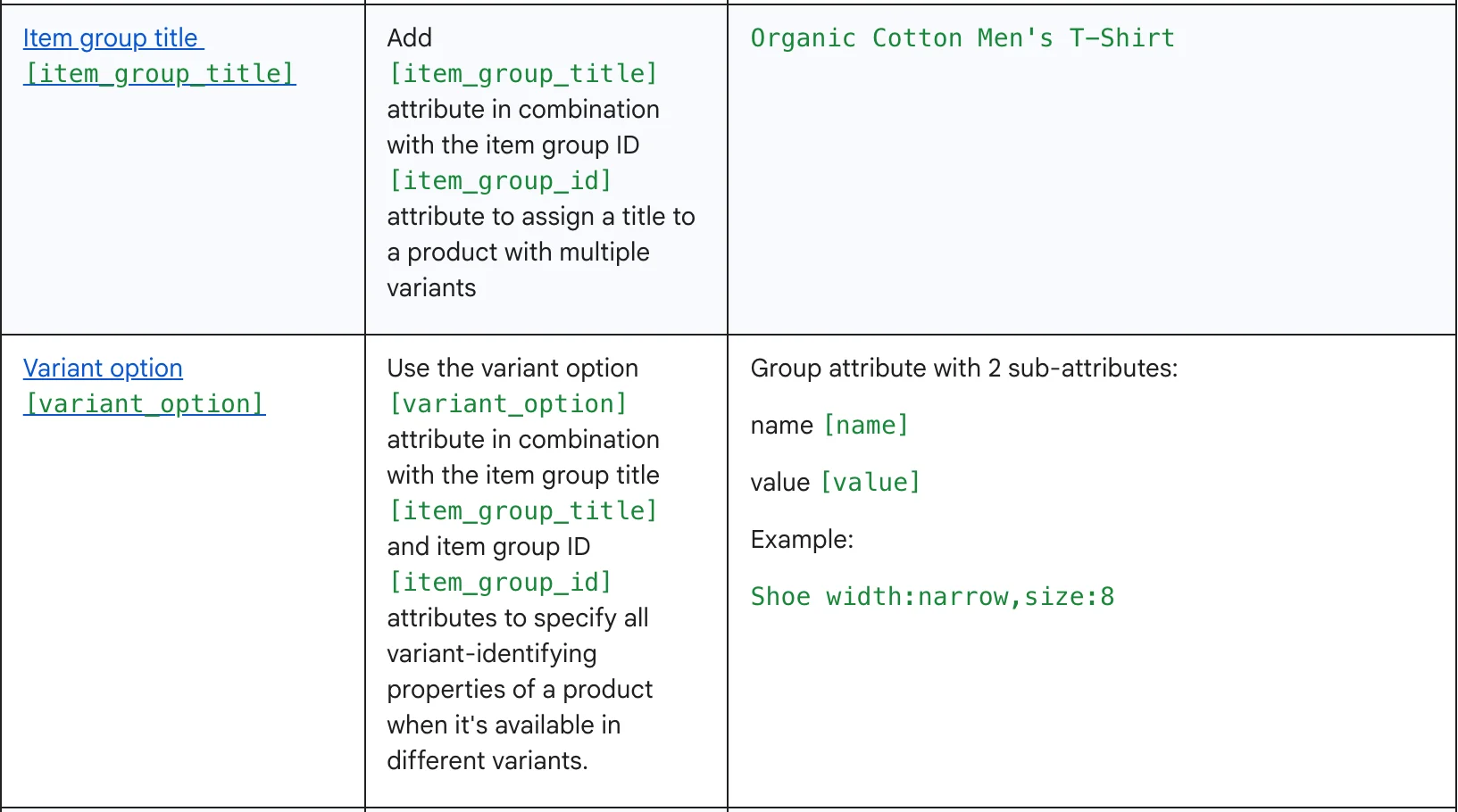
As of November 2026 Google also lists 6 optional conversational attributes, written for AI Mode and other AI surfaces, on top of its usual spec3. One holds questions and answers about the product; another names the options that tell one variant from the next. Multiply that by every channel and every market, and the fields outrun the people who fill them.
Three tests that separate an agent from a chatbot
"Agentic" gets stuck on anything with a chat box now, so we'd check three things before believing it:
- it changes the feed, not just your understanding of it
- a person stays in the loop where it matters, and only there
- outside agents work through the same approvals as the built-in one
1. It changes the feed itself
A chat window that explains why a product was disapproved is handy. It also leaves every bit of the work with you. An agent goes on to draft the rule, preview it on the whole catalogue and show you which products change.
Ask for a demo where the agent changes something real, end to end. If every answer ends in instructions for you to follow, it's an assistant.
2. Human in the loop where it matters
An agent that can change your feed can also break it. So by default a change should arrive as a proposal: what changes, on which products, and why. A person approves it, the log records who, and most changes can be undone.
Approving the same safe fix every Monday gets old fast, though. A good agent lets you choose, kind of work by kind of work, what it may do on its own and simply tell you about, and what still needs a person.
Where a change can be tested, it should be: a title rewrite can run on half the affected products against a matched control group, and come back with a confidence level instead of a feeling. If a vendor can't show you last week's log of what its agent changed and who approved it, stop there.
3. Your own agents play by the same rules
The Model Context Protocol (MCP) is an open standard for connecting AI applications such as Claude to outside tools and data4. A feed platform that runs an MCP server lets you work on your feed from the same agent that already talks to your other systems.
The test is what happens when that outside agent writes. Its changes should land in the same approval queue as the built-in agent's, logged the same way. A platform that only works through its own chat window fails, however clever the window.
Traditional, assisted and agentic, side by side
| Traditional | With an AI assistant | Agentic | |
|---|---|---|---|
| Who does the work | You, in the tool | You, with tips from a chatbot | The agent drafts; you set what needs your approval |
| How a change ships | Edit a rule, save it | Copy the tip into a rule, save it | Approve a proposal that names every product it changes, or let trusted kinds of work run |
| How you know it worked | Check the channel's reports later | Check the channel's reports later | Performance data read back per product, and tested against a control group where it can be |
| What happens overnight | Nothing | Nothing | Scheduled checks find new issues and draft the fixes |
What end-to-end means
End-to-end means one agent works across import, rules, exports and tests, with the same view of your catalogue at each step. That matters because feed problems cross stages.
Take a price disapproval in Google. Merchant Center is where it surfaces, but the fault often sits in the links: they don't select the variant being sold, so the page shows a different price from the feed. So the fix belongs in the feed, two stages away from where the error showed up.
A chatbot sitting on the rules page would have explained the rules page. End-to-end also means the work carries on when nobody's logged in, with scheduled checks that end in drafted fixes rather than a report.
Will it get my products shown in ChatGPT and AI Mode?
It can raise the odds, and that's the honest promise.
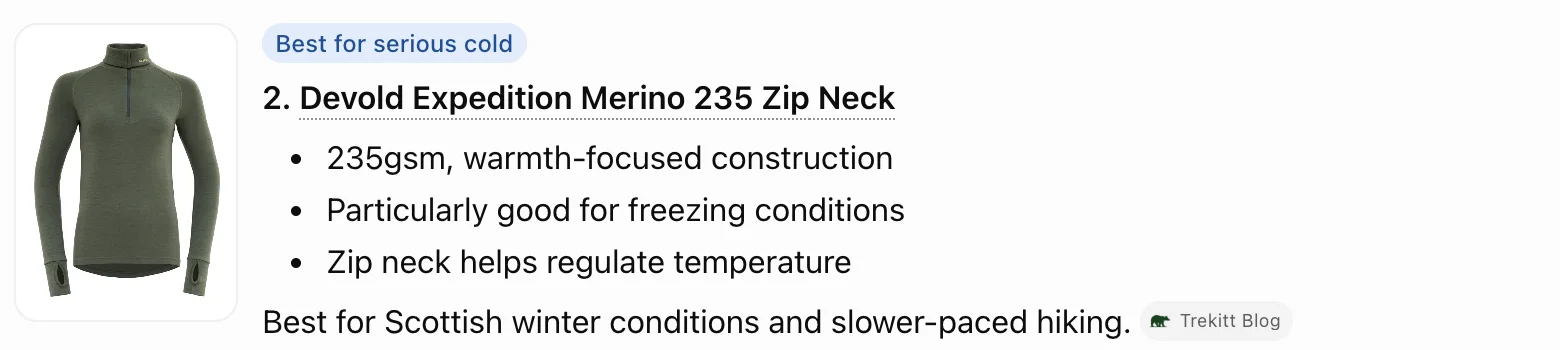
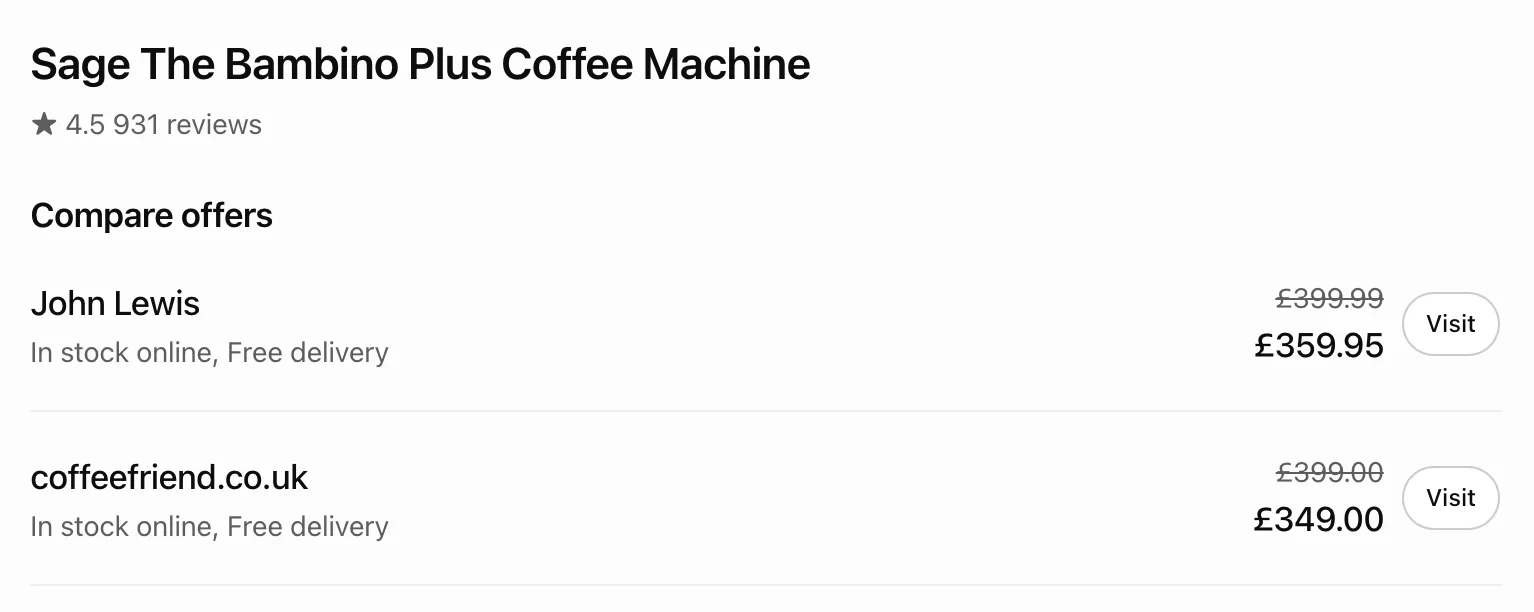
No feed platform decides what ChatGPT, Google AI Mode, Microsoft Copilot, Perplexity or Meta's assistant recommends. What you control is how much each of them knows about your products.
A shopper asking for junior walking boots with a rip-tab fastening is matched to products whose data says so. Every channel publishes required fields, and most feeds stop there. The optional ones, like material, age group, product highlights and questions and answers, are where a specific query finds a specific product. An agent that fills both, per channel, from what's already in your descriptions and tags, gives each assistant more to match on.
Every value it writes should point at the product data it came from. In our experience the risky drafts are the confident ones with no source, like a material the product page never mentions.
Does it learn from what happens next?
It should, and this is where most tools stop. An agent that only reads your catalogue is guessing.
Two kinds of results are worth feeding back. Performance from Google Ads, Google Analytics and Merchant Center says which products get seen, clicked and bought, and where a test is worth running. Visibility from the AI assistants says which of your products they name, for which questions, and where their answer disagrees with your feed. The channels themselves report very little of the second kind yet, which our guide to AI performance insights covers.
Your margins, your seasons and the lines you'd never discount live in your head, not in either report. Brief the agent on them in plain words, the way you'd brief a new hire.
Questions to ask any feed platform
Ask to see each answer in the product, not on a slide.
- Show me the agent changing the feed, not describing a change.
- Which stages can it work in: import, rules, exports, tests?
- Which changes need my approval, and can I choose which kinds of work run on their own?
- Where's the log of what it changed last week, and can I undo one?
- Does it fill the optional attributes for each channel, and where does each value come from?
- Do writes from my own agents over MCP arrive as proposals too?
- Does it read my ad and analytics results, and what does it do with them?
- Do my edits stay on the right variant after a re-import?
If you want an agent working on your feed
You want the work done across the whole feed without handing over the keys. FeedWorks is the first end-to-end agentic feed platform, and Aurora is the agent inside it.
It writes rules from a sentence, pulls attributes out of descriptions, tags and collections into the required and optional fields each channel reads, and keeps doing it for new products. By default each change arrives as a card for you to approve, and you can let chosen kinds of task run on their own and just tell you.
Aurora reads Google Ads, GA4 and Merchant Center results per product, and uses them to suggest A/B tests and check whether a change worked; as of November 2026 FeedWorks is the only feed platform doing this.
AI Visibility, in early access, shows how ChatGPT, Gemini, Google AI Mode, Perplexity and Bing describe your products and which ones they recommend, and Aurora can read it too. An agent you connect over MCP lands its drafts in the same place as Aurora's.